
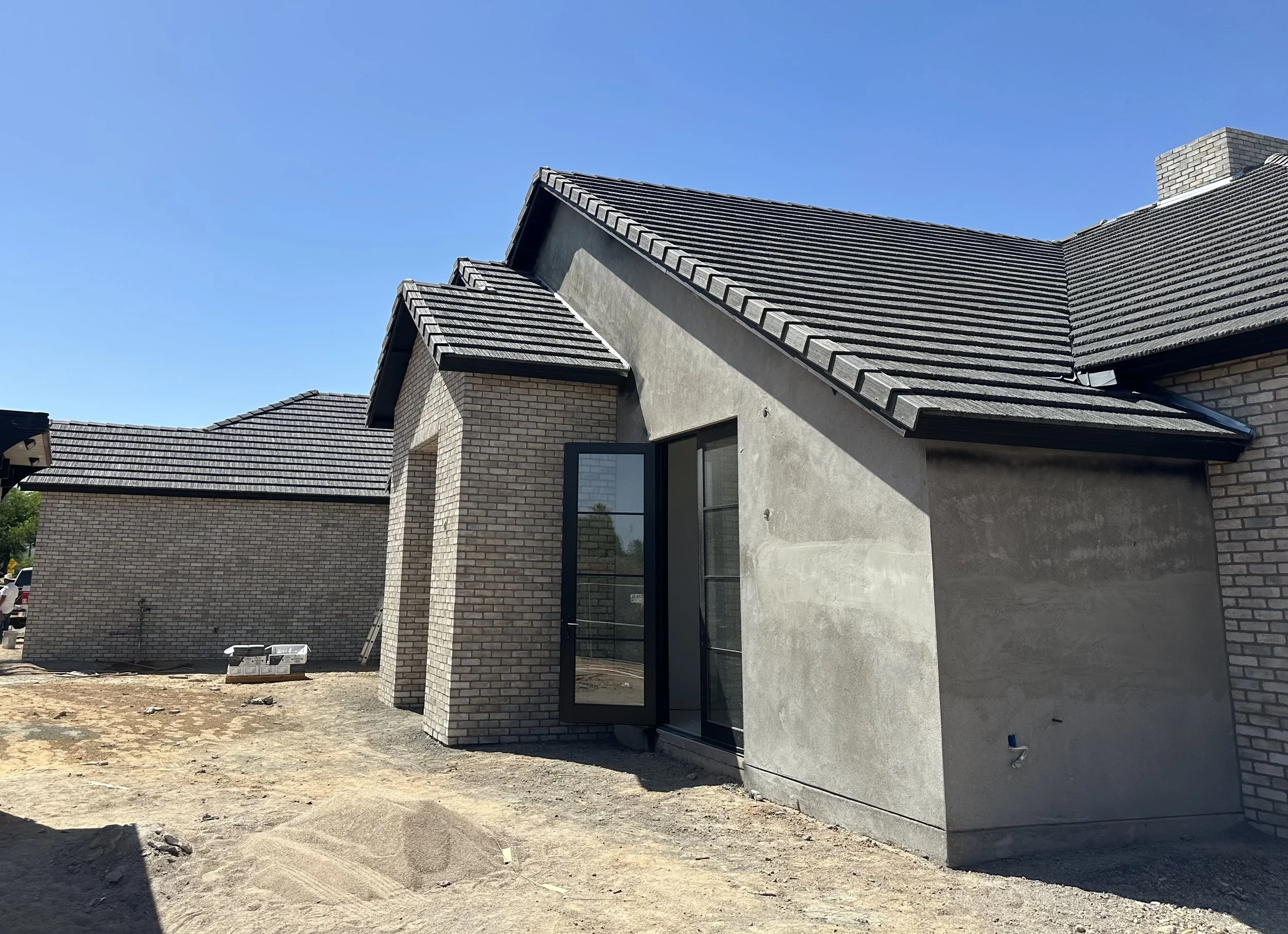
Residential Tile Roofing in Scottsdale
Tile roofs can last a long time in Arizona, but the tiles are only one part of the roofing system. Cracked or slipped tiles, worn underlayment and damaged flashing can allow water to get underneath the roof, even when the problem is not obvious from the ground.
Mastercraft Expert Roofing inspects the entire tile roof and explains whether the problem requires a repair, re-felting or replacement. You’ll receive a clear recommendation based on the actual condition of the roof.
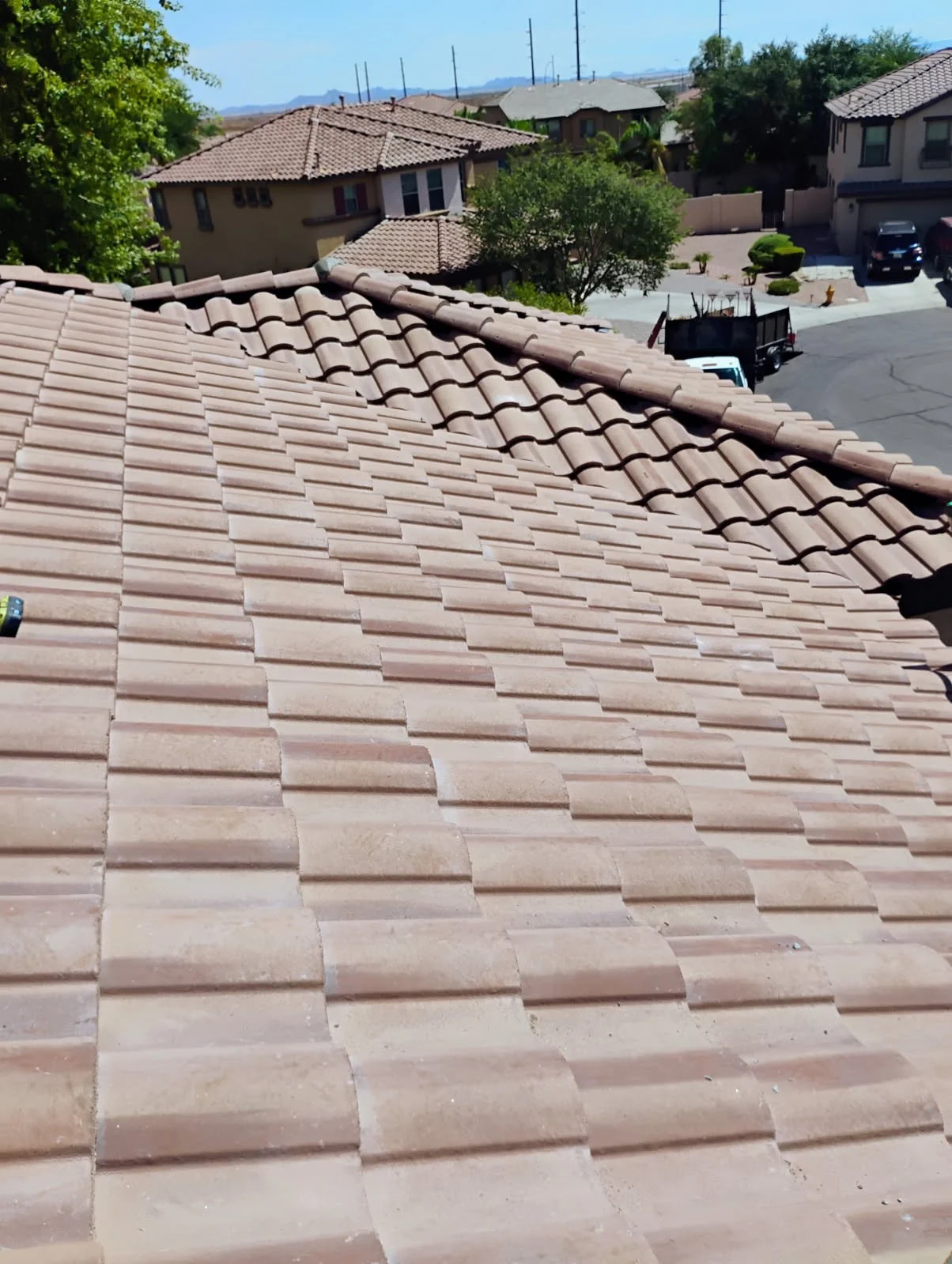
Tile Roofing for Scottsdale and Phoenix Homes
A Tile Roof Can Look Fine and Still Have Problems Underneath
The tile is only the outer layer of the roof. Leaks often begin underneath, where aging underlayment, damaged flashing or openings around vents and other roof penetrations allow water to get in. Broken or slipped tiles can leave those areas even more exposed to Arizona sun and monsoon rain.
Mastercraft Expert Roofing looks at the entire roofing system to find the source of the problem. Depending on the condition of the roof, the right solution may be a small repair, replacing damaged tiles, re-felting or a full tile roof replacement. We explain what we find and recommend only the work the roof actually needs.
Tile Roof Repair and Replacement
The Right Solution Depends on What Is Happening Beneath the Tile
A tile roof does not always need to be completely replaced when a problem develops. In many cases, isolated damage can be repaired by replacing broken or slipped tiles, correcting flashing problems or repairing the area where water is getting in.
When the tiles are still in good condition but the underlayment beneath them has worn out, the tiles may be removed and reused while new underlayment is installed. This is commonly called tile roof re-felting, and it can extend the life of the roof without replacing tiles that still have years of service left.
If the roof has widespread damage, failing materials or repeated leaks in several areas, a full tile roof replacement may make more sense. Mastercraft Expert Roofing will explain the condition of the roof and the options available, so you can make the right decision for your home.
Common Tile Roof Problems in Arizona
Signs Your Tile Roof May Need Attention
Tile roofing problems are not always obvious from the ground. A roof may still look attractive while damaged tiles, worn underlayment or flashing problems allow water to reach the layers below. Catching these issues early can often prevent a smaller repair from becoming more extensive.
Broken or Slipped Tiles
Tiles can crack or move because of foot traffic, strong winds, falling debris or years of exposure to Arizona heat. One or two damaged tiles do not necessarily mean the entire roof needs replacement, but the exposed area should be inspected before sun and rain cause further damage underneath.
Leaks After Monsoon Rain
A leak that appears during a heavy storm may begin somewhere other than the place where water becomes visible inside the home. Water can travel beneath the tiles before reaching the ceiling, which is why finding the actual entry point is more important than simply patching the visible area.
Worn Underlayment or Flashing
The underlayment beneath the tiles provides much of the roof’s protection from water. Over time, Scottsdale and Phoenix heat can dry and weaken this material. Flashing around valleys, walls, vents and other roof openings can also deteriorate and become a common source of leaks.
Every tile roofing project starts with a careful inspection of the tiles, underlayment, flashing, valleys and roof penetrations. We explain what we find, which areas need attention and whether a repair, re-felting or replacement makes the most sense. Once work begins, the project is closely managed and the property is thoroughly cleaned before the final walkthrough.
Our Tile Roofing Process
Estimate and Plan

Repair, Re-Felting or Replacement
Tile Roof Inspection
Final Walkthrough
What You Can Expect From a Mastercraft Tile Roofing Project
A clear explanation of the problem. We show you what is happening with the tiles, underlayment, flashing and other parts of the roof, so the recommendation makes sense.
Careful handling of your tile. When existing tiles are still in good condition, they may be removed and reused rather than replaced unnecessarily.
Protection for your home and property. We take care around landscaping, outdoor living areas and the rest of your property while the roofing work is underway.
The right amount of work for your roof. Depending on its condition, that may mean replacing a few damaged tiles, completing a repair, re-felting the roof or planning a full replacement.
Active on-site project management. The work is closely managed to keep the project moving, address details as they come up and make sure each stage is completed correctly.
Thorough cleanup and a final walkthrough. Once the work is complete, the property is cleaned and the finished roof is reviewed before the project is considered done.
Residential Tile Roofing FAQs
Common Questions From Scottsdale and Phoenix Homeowners
How do I know whether my tile roof needs repair, re-felting or replacement?
It depends on where the damage is and what condition the underlayment is in. A few broken tiles or one problem area may only need a repair. If the tiles are still usable but the underlayment has deteriorated, re-felting may be the better option. A full replacement is usually considered when problems are widespread or several parts of the roofing system are failing.
Can a tile roof be repaired without replacing the entire roof?
Yes. Broken or slipped tiles, damaged flashing and many isolated leaks can be repaired without replacing the whole roof. The important part is checking beneath the tiles as well, since the visible damage may not be the only source of the problem.
How can a tile roof leak when the tiles still look fine?
The tiles are the roof’s outer layer, but the underlayment beneath them provides much of the protection against water. Underlayment can wear out from years of Arizona heat and UV exposure even when the tiles above it still look good.
Can existing roof tiles be reused during re-felting?
Often, yes. When the tiles are still in good condition, they can be carefully removed while the old underlayment is replaced and then reinstalled. Damaged tiles are replaced as needed. This allows homeowners to keep usable tile instead of paying to replace the entire surface unnecessarily.
What causes tile roof leaks in Scottsdale and Phoenix homes?
Common causes include cracked or displaced tiles, worn underlayment, deteriorated flashing and problems around valleys, vents and other roof openings. Monsoon winds and heavy rain can expose weak areas that may not have been noticeable during dry weather.
Should I have my tile roof inspected after a monsoon storm?
An inspection is a good idea when you notice missing or broken tiles, water stains, debris damage or a new leak after a storm. Because water can travel beneath tile before appearing inside the home, the visible stain may not be directly below the place where the roof is leaking.
Get Clear Answers About Your Roof
Whether you are dealing with a roof leak, visible damage or an aging roofing system, the first step is understanding what your roof actually needs. Schedule a free inspection and we’ll give you an honest assessment, clear recommendations and straightforward answers without pressure or unnecessary upselling.
Cities We Serve:
Paradise Valley | Scottsdale | Carefree | Cave Creek | Fountain Hills
Serving custom homes and luxury residential properties throughout the Scottsdale area. Questions about your roof? Call Jeff directly at (480) 407-6000.