
Cave Creek Roof Inspection | Haboob & Monsoon Damage Guide
Cave Creek's bigger lots and open exposure mean roofs face a different kind of stress from monsoons and haboobs. Here's what homeowners out there should know.
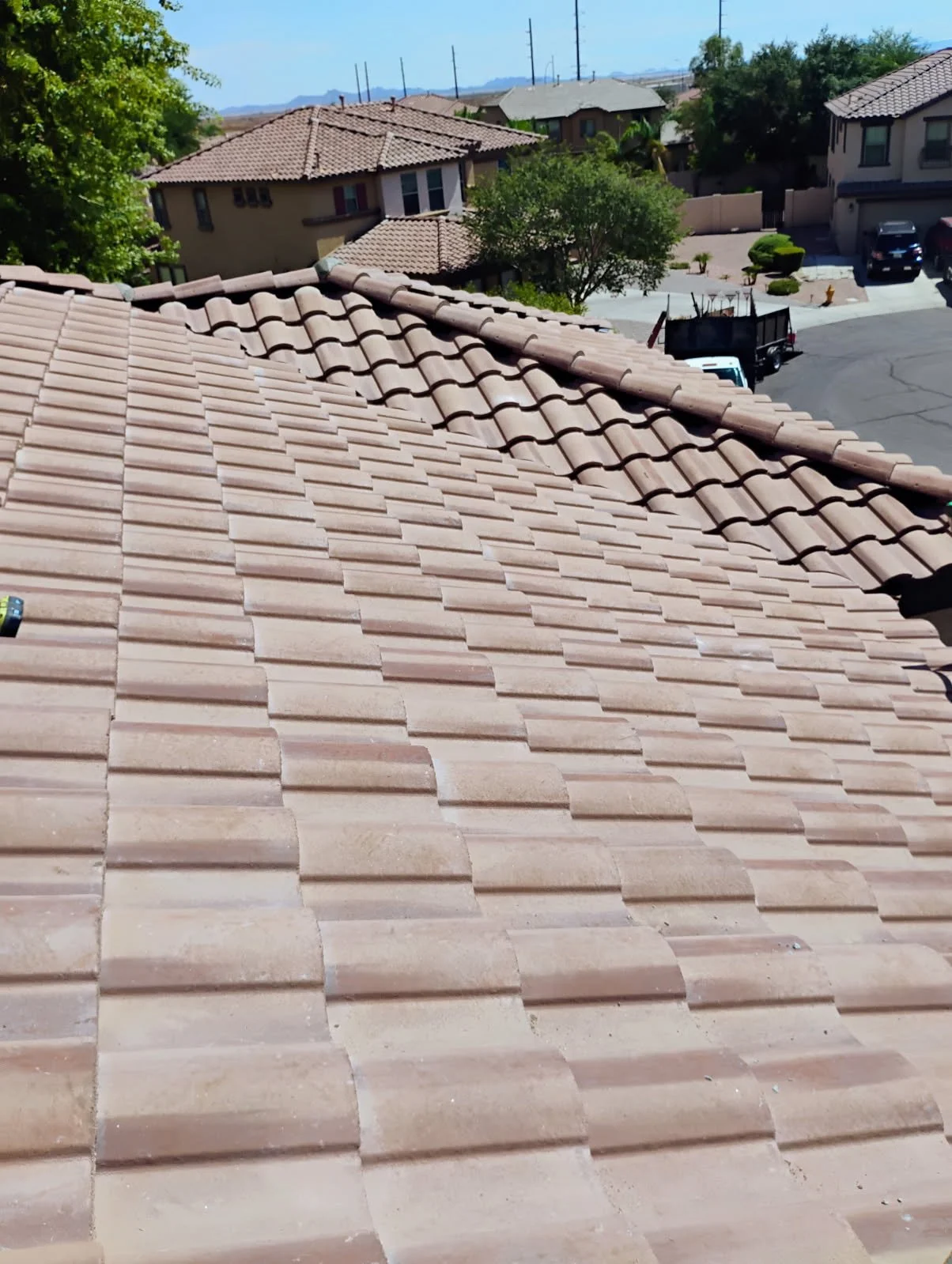
Cave Creek has always been one of my favorite parts of the valley. My wife used to get her hair done on Main Street, and we've always loved the character of the place. It's got something you don't find in a lot of other parts of the valley. Wide open lots, real privacy between homes, and a main street that still feels like an old western town. Honestly, it's a place we'd love to end up living someday.
Those big beautiful lots come with a roofing reality a lot of homeowners don't think about until it's a problem. A lot of Cave Creek homes still have flat roofing systems, and flat roofs need a different kind of attention than a typical tile roof. Add in the same intense sun and monsoon season the rest of the valley deals with, plus the haboobs that roll through Cave Creek, and these roofs take a real beating over time.
I remember sitting through my first haboob out here. The wind picks up fast, the sky goes dark, and within minutes you can't see past your own yard. It's genuinely intense to experience. And it's not just dramatic to watch. It's serious business for your roof.
What a Haboob Actually Does to Your Roof
A haboob isn't just wind and dust. It creates fast moving pressure on one side of your roof and a pulling, suction type effect on the other side, especially around ridges. If a tile, shingle, or piece of flashing is already a little weak, that sudden pressure change is what pushes it past the point of holding on.
That's the part most homeowners don't realize. The storm usually isn't what creates the weak spot. It finds a weak spot that was already forming and turns it into a real problem.
An uncleaned, uninspected roof after a haboob can lose up to two years of its expected lifespan. Debris left sitting in valleys, gutters, and around vents keeps stressing the roof long after the storm has passed.
For flat roofs specifically, dust and debris settle more easily than they would on a sloped roof, and Arizona's heat weakens sealants and caulking, which makes wind damage worse than it might be in a milder climate. That combination is exactly why I inspect roofs after major weather events, not just on a routine schedule. A haboob or a monsoon storm puts real stress on a home, and it's worth knowing your roof came through it okay.
What Cave Creek Homeowners Should Know About Their Roof
Flat roofs need to be checked more often than people expect, especially out here where the sun and haboobs don't let up. A regular roof inspection is the easiest way to catch small wear before it turns into a real leak, but an inspection is really just the starting point.
A few practical things worth checking on your own between inspections:
- Debris near scuppers and drains. Dust, leaves, and storm debris pile up fast after a haboob, and blocked drainage is one of the quickest ways a flat roof develops problems.
- Standing water after a storm. Most of the industry considers water sitting on a flat roof for more than 48 hours a real concern. Personally, I don't love seeing standing water at all. A roof should be draining, not holding.
- Loose or shifted tiles after high wind. Haboob winds can lift or shift tiles even when nothing looks obviously broken from the ground.
If everything looks good, I'll tell you that. If I spot early wear, that's usually where roof maintenance comes in, not a replacement. It's a lot like taking care of a car. You change the oil and replace the brake pads so you don't end up needing a whole new engine. A roof works the same way. Clearing debris, keeping scuppers and gutters clear, resealing a seam before it becomes a leak. Small things done regularly save you from a much bigger repair down the road.
Why I Do This Differently
Somewhere along the way, roofing turned into an aggressive industry. A lot of companies run sales teams. They push replacements homeowners don't need, or tell people they can file an insurance claim when they can't. I don't work that way. There's no sales team here. No pressure, no upselling, no games. Just an honest look at your roof and a straight answer about what it actually needs.
This is a small, family run business, and that's exactly how I want to keep it. I'm not trying to hound anyone into a bigger job than they need. I just want people to have an honest picture of their roof, and the right next step if there is one.
Frequently Asked Questions About Cave Creek Roofing
How often should a flat roof be inspected in Cave Creek?
Most flat roofs benefit from an inspection at least once a year, plus a check after any major monsoon storm or haboob. Cave Creek's larger, more exposed lots often mean roofs take on more wind and debris than homes in tighter neighborhoods.
Is standing water on a flat roof normal after it rains?
Some water sitting for a short time after a storm is normal. Industry standards generally flag anything still standing after 48 hours as a concern worth having looked at. I'd personally rather see a roof draining completely.
Can a haboob really damage a roof that seemed fine before the storm?
Yes. A haboob's wind pressure often exposes a weak spot that was already developing, even if it wasn't visible or causing problems before the storm.
Does Mastercraft Expert Roofing offer roof maintenance, not just repairs?
Yes. After an inspection, if your roof needs some upkeep rather than a full repair or replacement, I'll walk you through what that looks like. Simple maintenance now often prevents a much bigger repair later.
Do you work in Cave Creek regularly?
Yes. Cave Creek is one of my favorite areas to work in, and I'm always glad to head out that way for an inspection.
Let's Talk About Your Cave Creek Roof
Whether you know exactly what you need or you're not sure where to start, we make it easy. Reach out for a free inspection and we'll give you an honest assessment, no pressure, no runaround.
Book Your Free Inspection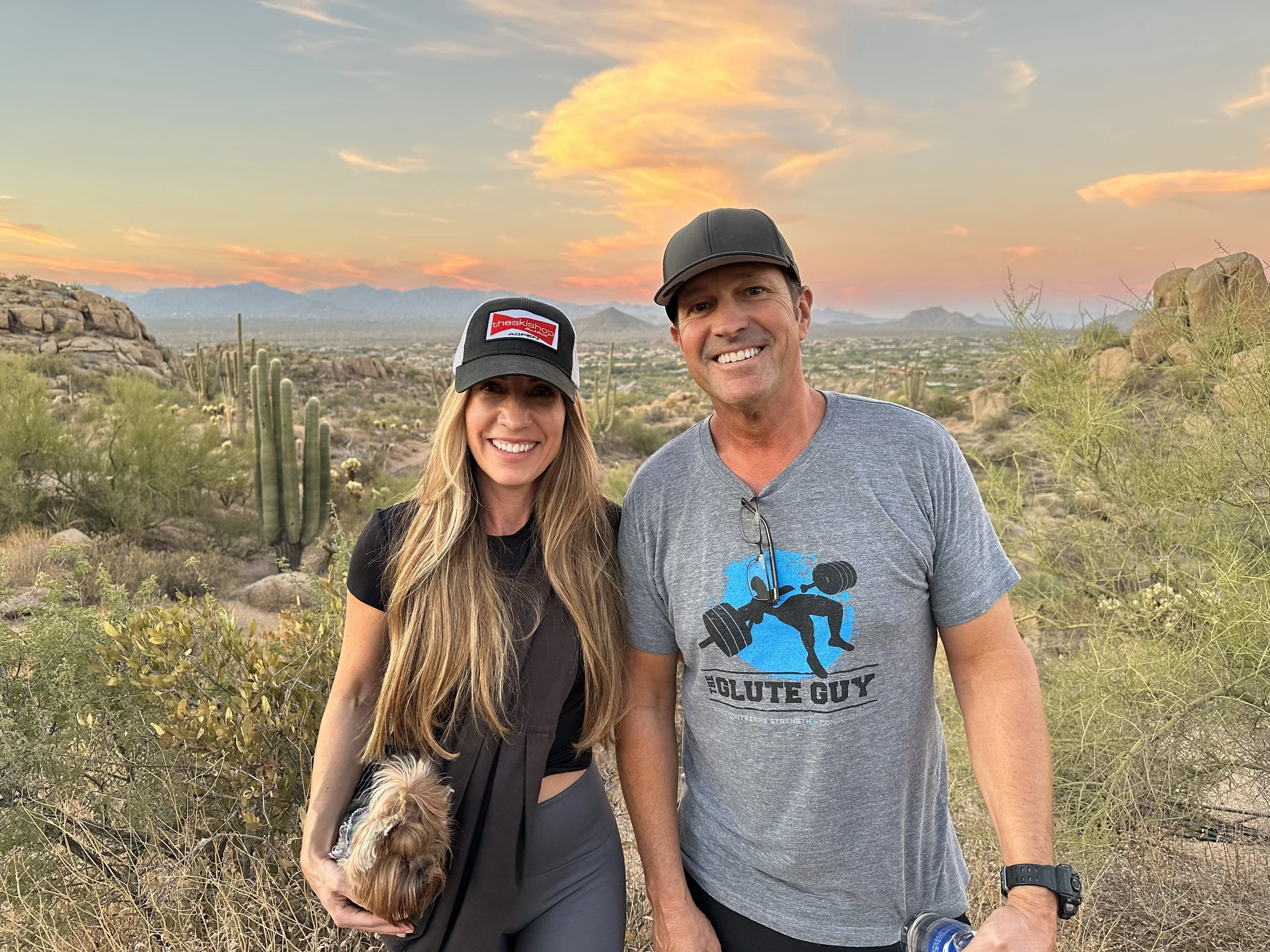
Jeff Robinson is the owner of Mastercraft Expert Roofing, based in North Scottsdale and serving homeowners throughout the valley. As an Arizona native, Jeff has a deep understanding of how the desert climate, intense sun and monsoon storms impact roofs over time. He built Mastercraft Expert Roofing on one principle: every roof deserves to be completed to an outstanding standard. No shortcuts. No surprises. Just honest assessments and work done right the first time. As an avid golfer Jeff especially enjoys working with homeowners in Scottsdale's premier golf communities where attention to detail and pride of ownership are simply part of life. He understands exactly what those homes deserve and holds every project to that same standard. Outside of work Jeff spends time with his family and gets out on the golf course whenever possible.
